

Communicating Climate Change,
without Guilt or Fear.
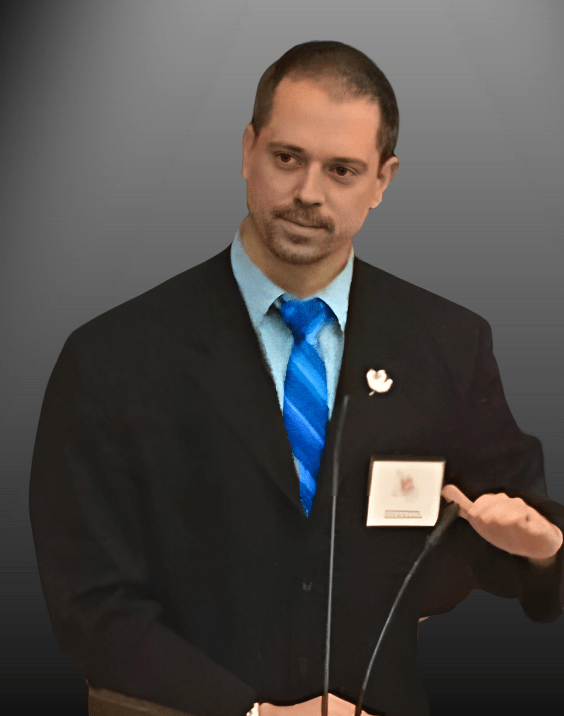
Meet Norm,
a climate scientist
With a graduate degree in Atmospheric Science (UQAM), Norm knows the secrets to meteorology and climatology. He started as a science teacher in the Montreal area and even wrote three chapters for an 8th-grade science textbook. He later became the Head of Science Education at the Biosphere, Environmental Museum.
Norm has given more than 700 presentations on scientific topics. People love his hopeful attitude when discussing climate change. He has spoken to a wide variety of audiences, including in the USA, Canada, Ireland, Australia, France and the Democratic Republic of Congo in Africa.
Topics:
- Climate change: the science
- Climate Change & Health
- Climate Change & Wealth
- Climate change is a good thing: transforming fear into positive change
- Reduce your carbs: climate action as a sales pitch (funny)
- and many others.

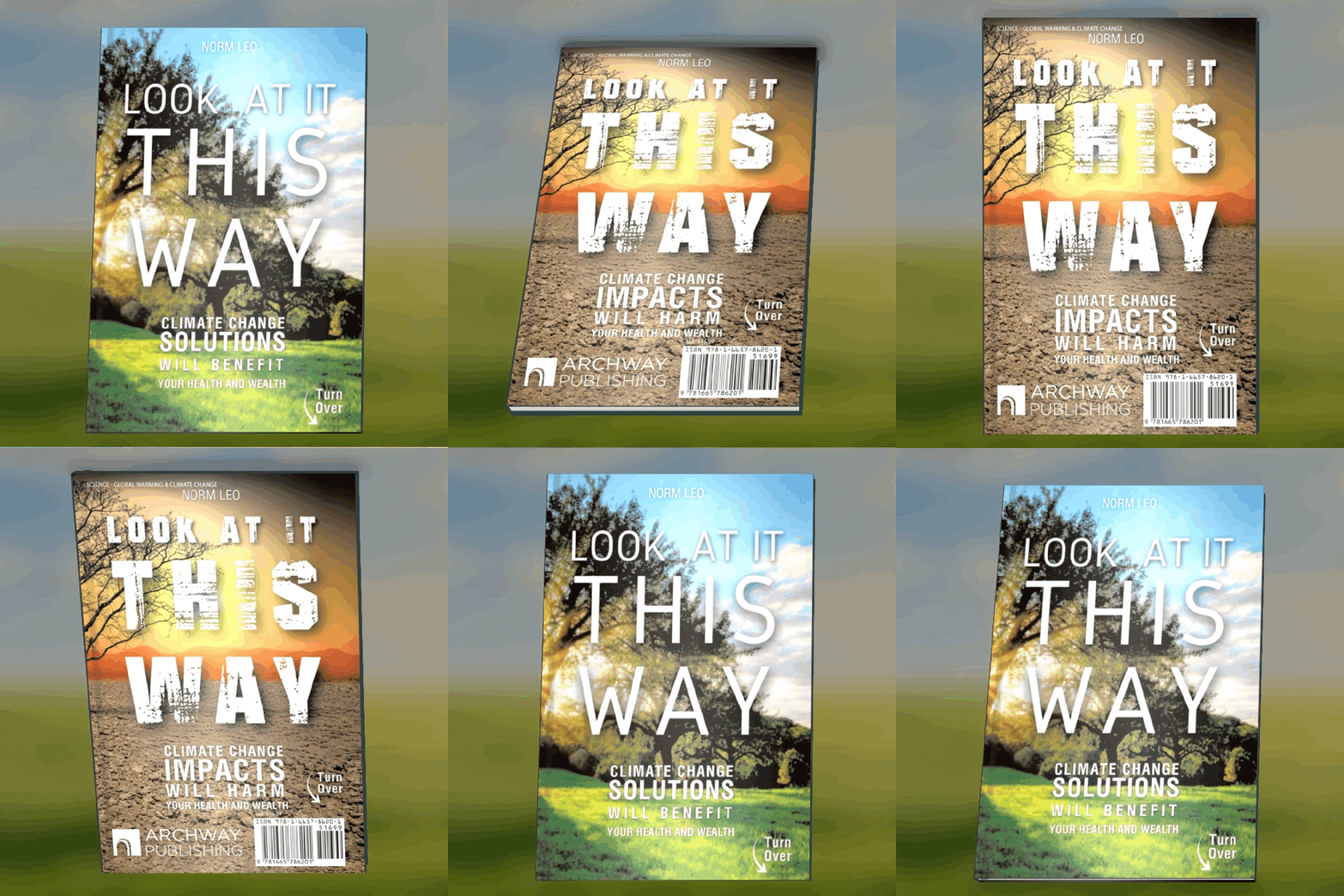
LOOK AT IT THIS WAY:
CLIMATE CHANGE SOLUTIONS WILL BENEFIT YOUR HEALTH AND WEALTH
This book changes the script about climate change. It begins with a clear, relatable tour of how climate change touches five areas of daily your health, your wealth, your food, your water, and your home.
Then it flips the narrative. What if the very solutions we need also make your life better right now?
INVITE NORM TO GIVE A TALK
Bring Norm Leo’s energy to your event. He doesn’t just present the facts. He doesn’t just explain the science. He will inspire a new hope.
To invite Norm, please complete the form below.
CONTACT NORM TODAY
Invite Norm to give a talk. Request a consultation. Have a question?
Complete the form below, and you will receive a response shortly.


Consultation
Clear, compelling climate communication changes everything — public trust, engagement, and action. If you want to strengthen your climate message, I can help you get there.
From targeted 1‑hour sessions to deeper collaborations, I adapt my support to your needs. I partner with cities, companies, museums, and mission‑driven organizations. Your message matters. Let’s make it resonate.


Feedback
“First class Norm! Clear and concise and easy to absorb quickly so am referring you right away. Thank you.”
– Robert Wilkinson
“He was very inspiring, competent, respectful and passionate with a nice touch of humour. Thanks to him, I reinforced my conviction that we are guardians of our beautiful blue planet.”
– Nancy Chenier
“Great job Norm! and I’m really glad to have you as a teacher. We can’t have a better speaker than you. You are the only one and you will always be the best in my eyes. I am already looking forward to the next one.”
– Monique Lafond
“So great to hear so many ideas as we start a Green Team! Thanks for the steps to take. I loved the ideas. Keep up the good work.”
– Rhoda Seibert

Free Gift!
Receive the short guide “Save the Climate, Save Green” when you enter your email.
Frequently Asked Questions (FAQ)
How to communicate climate change effectively
Effective climate communication avoids fear‑based messaging. Research in climate psychology shows that focusing only on catastrophic futures increases anxiety and reduces engagement.
The most successful climate messaging uses local climate impacts, connects them to everyday life, and highlights practical climate solutions that improve health, finances, and quality of life.
With over 20 years of experience in climate communication, I help organizations craft messages that motivate action—not fear.
Climate messaging that works for awareness campaigns
Strong climate awareness campaigns start with one principle: know your audience.
The most effective strategy blends: regional climate impacts (heat, air quality, flooding, food prices benefits of climate solutions (lower bills, cleaner air, healthier food, safer homes)
This approach increases both concern and empowerment.
I’ve reviewed dozens of climate communication projects for cities, museums, nonprofits, and companies. If you need expert guidance, you can find me on EveryExpert.
How to talk about climate change without causing anxiety
Eco‑anxiety affects millions, especially youth. To reduce anxiety, climate communication must shift away from doom‑heavy narratives.
Research shows people feel more hopeful when messages emphasize:
– solutions already working
– progress being made
– benefits to health, comfort, and finances
This is the foundation of positive climate communication—a future worth building, not fearing. This is why I wrote LOOK AT IT THIS WAY.
How can we be hopeful about climate change?
There are many reasons for climate optimism. We already have proven technologies for:
– climate mitigation (reducing greenhouse gases, the main cause of the warming)
– climate adaptation (protecting communities from heat, storms, and water stress)
These solutions not only prevent future risks—they also improve daily life today through cleaner air, lower energy bills, healthier food, and safer homes.
Hope comes from recognizing that climate solutions are also quality‑of‑life upgrades.
Is it too late to stop climate change? Are we doomed?
No, it’s not too late. Global climate policies have already reduced the likelihood of the worst‑case warming scenario. Recent research shows that uncontrolled warming (RCP8.5) is now considered unlikely.
However, current policies still put us on track for around 2.6°C of warming, above the safe threshold of 1.5°C.
More action from governments, companies, and communities is essential.
For up‑to‑date analysis, see Climate Action Tracker.
How can I reduce my carbon footprint without sacrificing comfort?
You don’t need to sacrifice comfort to reduce your carbon footprint. Many climate solutions actually improve your quality of life.
Examples:
– Active transport (biking, transit) boosts health and saves thousands per year.
– Plant‑forward eating reduces cancer risk and can lower grocery bills by up to 30%.
– Solar panels cut electricity costs and provide backup power during outages.
Climate solutions are not about sacrifice—they’re about living better, healthier, and more affordably.
Talks & Interviews
- International Conference on Business, Health and Climate – April 19-21, 2027
- Eco One Meeting – Rome, Italy – Sept. 18-20, 2026
- International Conference on Entrepreneurship, Health and Climate – June 8-10, 2026
- Radio Interview – CJAD800 – May 15, 2026
- Keynote – International Conference on Global Health & Climate, April 21-22, 2026, Quebec City
- Podcast Interview – EcoRight Speaks – March 31, 2026
Press & Media
- Author Media Kit (PDF)
- Press Release (PDF)
- Press Release on AP News
- Article in Brainz Magazine – June 2026
- Article in Happy Eco News – May 2026
- Article in Sovereign Magazine – April 2026


